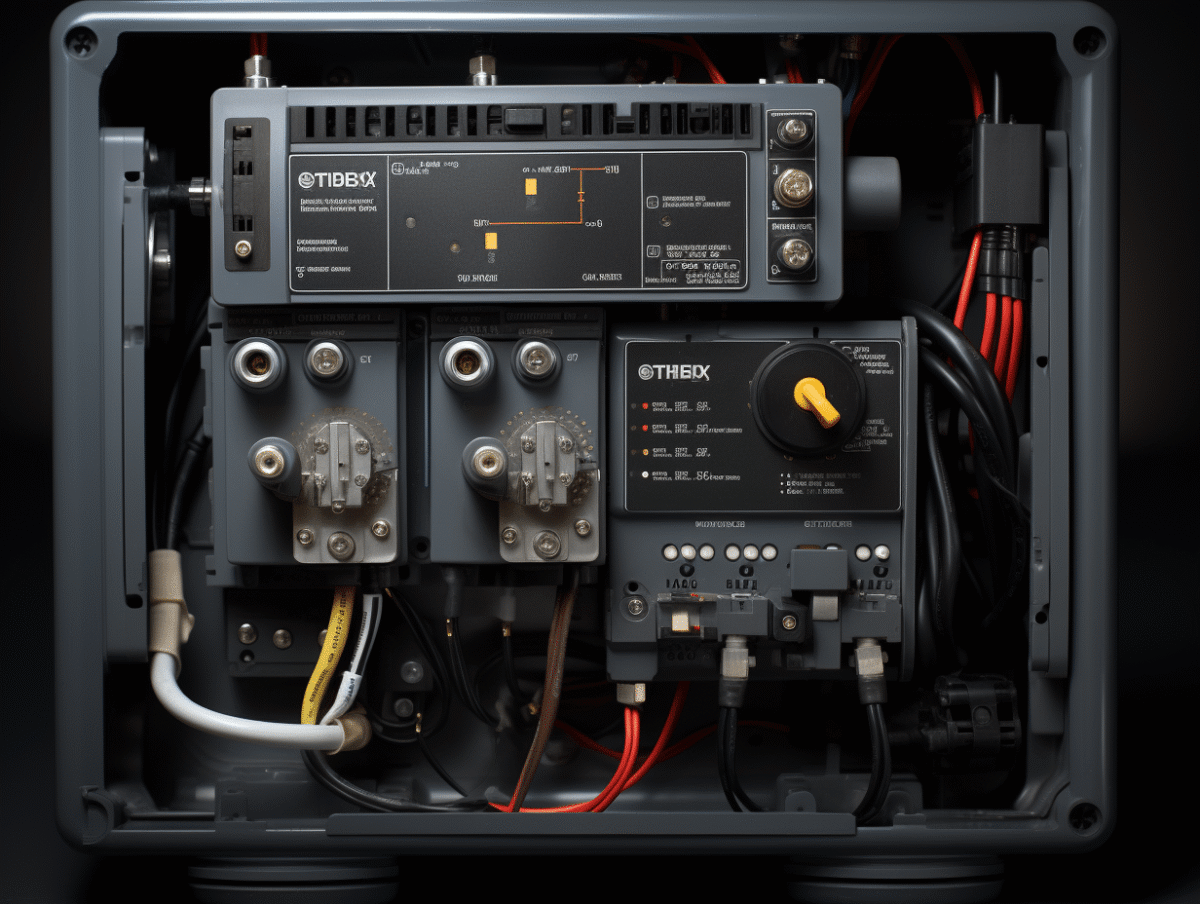
The electrical installation in a residence or commercial establishment is of paramount importance to ensure the safety of people and property. At the heart of this installation, the three-phase differential circuit breaker plays a crucial role, protecting against the risks of short circuits or overloads. Its meticulous installation is one of the key steps to ensure that the electrical network is not only compliant with current standards but also safe for users. This element, often neglected or misunderstood, deserves particular attention, both in the choice of equipment and in the precision of its integration within the overall electrical system.
Understanding the role of the three-phase differential circuit breaker in electrical safety
The electrical panel is the epicenter of any electrical installation, ensuring optimal and secure current distribution. Among its components, the three-phase differential circuit breaker is undoubtedly an essential device for safety. Operating in harmony with a three-phase electrical panel, this circuit breaker is designed to immediately interrupt the electrical supply upon detecting an anomaly such as a current leak. This protection mechanism is even more fundamental in three-phase systems, which, by their nature, provide more power compared to a single-phase installation.
The NF C 15-100 standard strictly governs low voltage electrical installations in France, imposing strict rules regarding the arrangement and organization of the electrical panel components. Compliance with this standard during the connection of a three-phase differential circuit breaker not only guarantees the compliance of the installation but also its ability to effectively protect users against electrical risks. Differential switches, in perfect synergy with the main circuit breaker, play a pivotal role in protecting against current leak risks, a potentially deadly phenomenon.
Let’s delve deeper. The three-phase electrical panel, with its multiple branches, includes a main circuit breaker and several differential switches. The latter, specific to each circuit, offer fine granularity of electrical protection, allowing for increased control and safety of the entire installation. Their association with the three-phase differential circuit breaker ensures an almost instantaneous cut-off in case of a current imbalance detection, thus preventing overheating and fire risks.
Implementing a three-phase electrical installation requires sharp technical expertise. Each component must be meticulously selected and installed in accordance with the NF C 15-100 standard. The three-phase differential circuit breaker, the centerpiece of this protection device, must be carefully chosen and installed precisely to ensure infallible safety. Professionals, armed with their know-how, must ensure that every step, from design to commissioning, is executed with the required rigor for optimal protection.
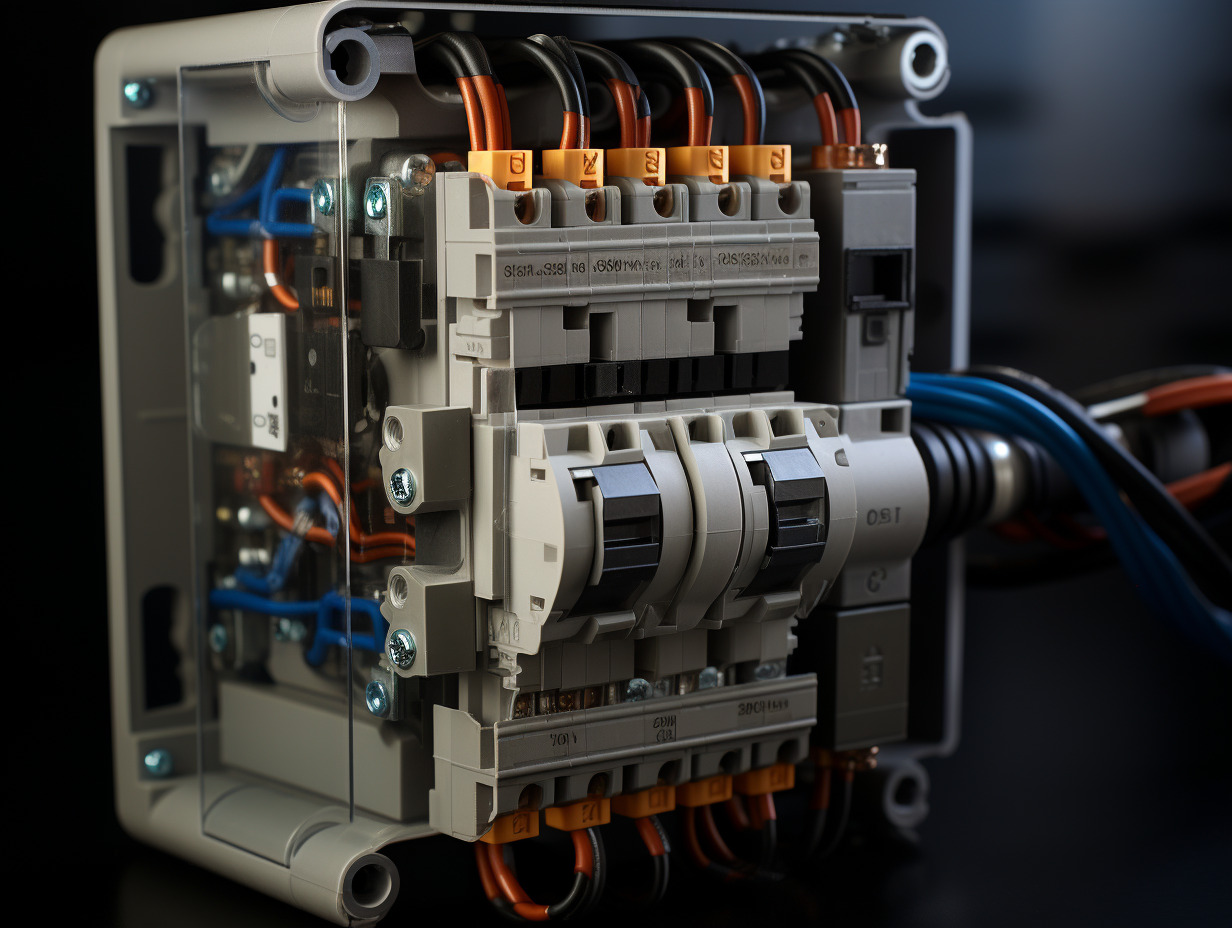
Practical guide for installing a three-phase differential circuit breaker
Tackling the installation of a three-phase differential circuit breaker requires mastery of electrical standards, particularly the NF C 15-100 standard, which governs the entire electrical panel. This standard ensures that the wiring and installation comply with safety and functionality standards, thus avoiding risks related to electricity. A thorough understanding of wiring diagrams is imperative before proceeding with the installation.
Selecting the appropriate circuit breaker for a given circuit is a crucial step in the process. It relies on the power required by the system and the sensitivity needed to detect current leaks. Once the circuit breaker is chosen, the wiring of the three-phase electrical panel can begin. This involves connecting the different phases as well as the neutral and ground, ensuring compliance with regulatory wire colors and manufacturer instructions.
The actual installation begins with securing the circuit breaker in the electrical panel. Ensure that the circuit breaker is properly positioned and securely fastened before proceeding with the cable connections. Each connection must be checked to guarantee maximum safety. It is recommended to work with insulated tools and to wear personal protective equipment.
The commissioning of the installation should not be overlooked. The three-phase differential circuit breaker must be tested to ensure its proper functioning. Use a circuit breaker tester to check the device’s responsiveness in case of a current fault. Once these checks are completed, the device is ready to perform its protective function, ensuring the safety of the entire electrical installation.