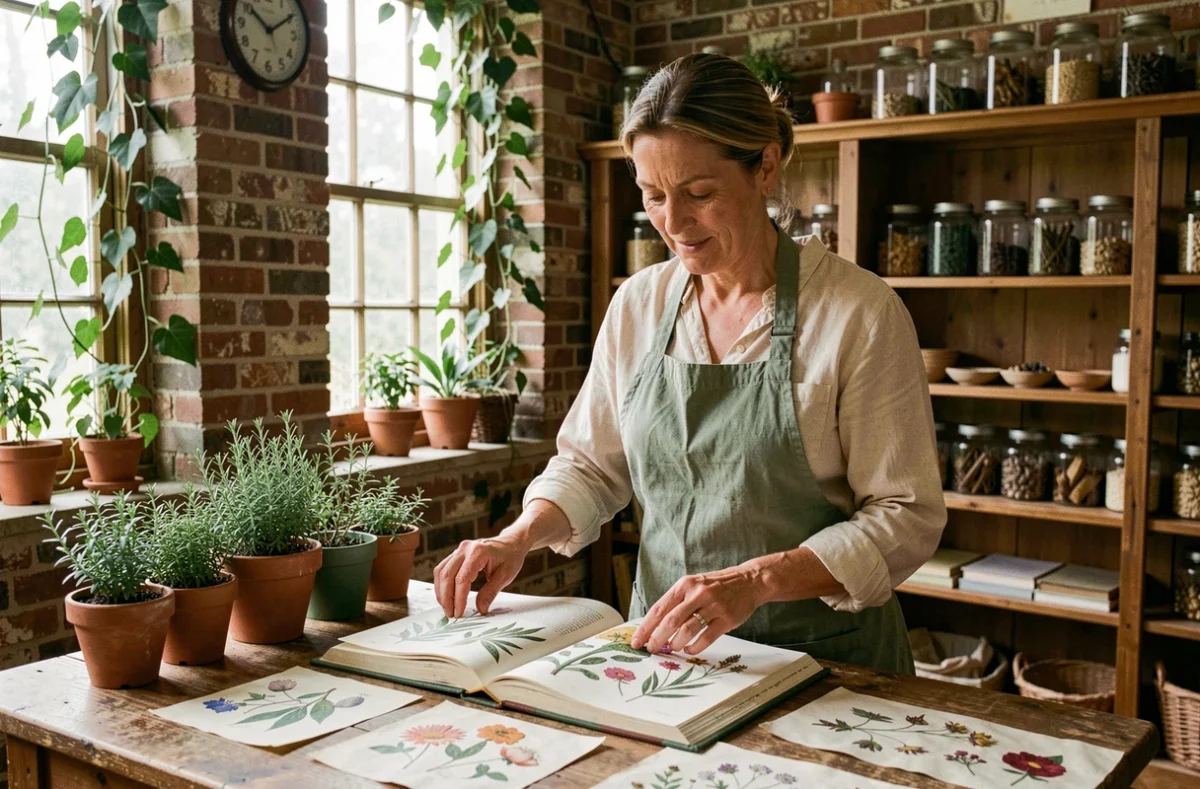
Online botanical resource sites are multiplying, but few structure their sheets around criteria that can be directly used for plant selection. Une Fleur Un Jardin offers a catalog organized by species, families, and garden uses, with indications on cultivation conditions. Which data are precise enough to guide a planting, and which require local verification?
Plant sheets and pedoclimatic criteria: what you actually find
Most public sites merely indicate a hardiness zone and a type of exposure. The sheets from Une Fleur Un Jardin go a step further by associating indications on the preferred soil nature (calcareous, acidic, draining) and tolerance to summer drought.
These data are useful for an initial sorting. A shrub deemed suitable for calcareous soils and dry summers will correctly guide a gardener from the Mediterranean region or the Paris basin. However, micro-variations in pH, the depth of the topsoil, or the actual water behavior of clay soil in winter are not included in any online sheet, regardless of the site.
To browse the entire catalog and check the coverage of the species that interest you, consult all the pages of Une Fleur Un Jardin from their sitemap.
The key point to remember: online pedoclimatic indications serve as a pre-selection, not a diagnosis. A home soil test (pH strip, sedimentation test) remains the necessary complement before planting demanding species.
Local biodiversity and nectar plants: the often overlooked angle
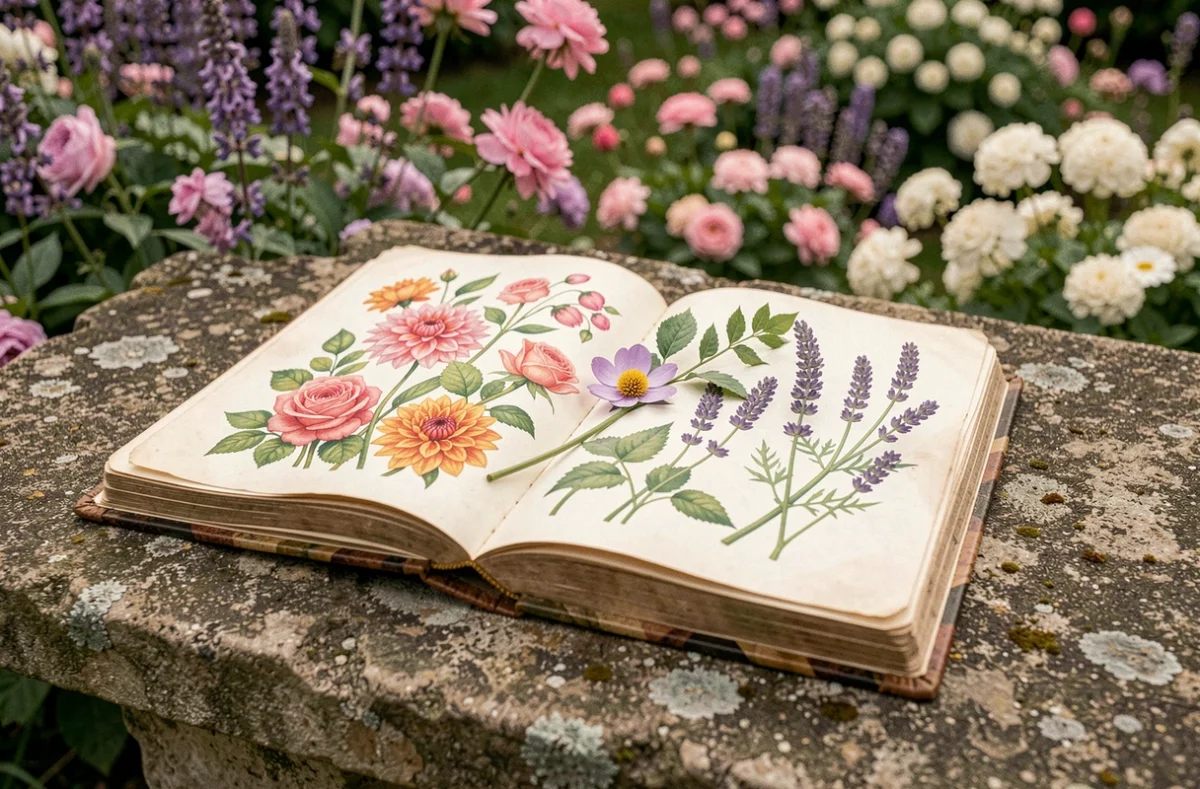
Online botanical resources willingly discuss biodiversity in general terms. It is stated that a certain perennial “attracts pollinators” without specifying which ones or during what period. Une Fleur Un Jardin mentions for certain species their nectar interest and their role in a garden ecosystem, which serves as a starting point.
What the sheets allow to cross-reference
- The flowering period, which helps plan a continuity of floral resources over several months for foraging insects
- The type of flower (simple, double, tubular), which affects the actual accessibility of nectar for wild bees and hoverflies
- The geographical origin of the species, an indirect indicator of its integration into local food chains
A gardener wishing to promote local auxiliary fauna, however, needs data that these sheets do not provide: the spontaneous plant associations in their region, the declining heritage species in their department, or lists of host plants for native butterflies. This information falls under regional databases or botanical conservatories.
Online cultivation guides and the limits of general advice
A planting guide written for all of France cannot replace advice tailored to a specific terroir. This is the structural limit of any national botanical site, and Une Fleur Un Jardin is no exception.
The site pages offer advice on pruning, planting periods, and propagation. This information is reliable for common species grown under average conditions. Where it falls short is in edge cases: a lavender deemed hardy to marked negative temperatures will survive without issue in Provence but may struggle in heavy, wet soil in the North, even if the thermometer does not drop that low.
Verifications to conduct on the ground
Before following a cultivation advice read online, three parameters deserve local verification:
- The effective soil drainage after prolonged rain, which conditions the winter survival of many Mediterranean plants
- The actual exposure to the prevailing wind, often overlooked in the sheets but crucial for evergreen shrubs
- The presence of active limestone in the soil, a factor for chlorosis in acid-loving plants even in areas reputed to be neutral
Botanical forums and local horticultural associations remain the best channels to compare generic recommendations with the reality of a specific garden.
Navigating an online botanical catalog: structuring your search
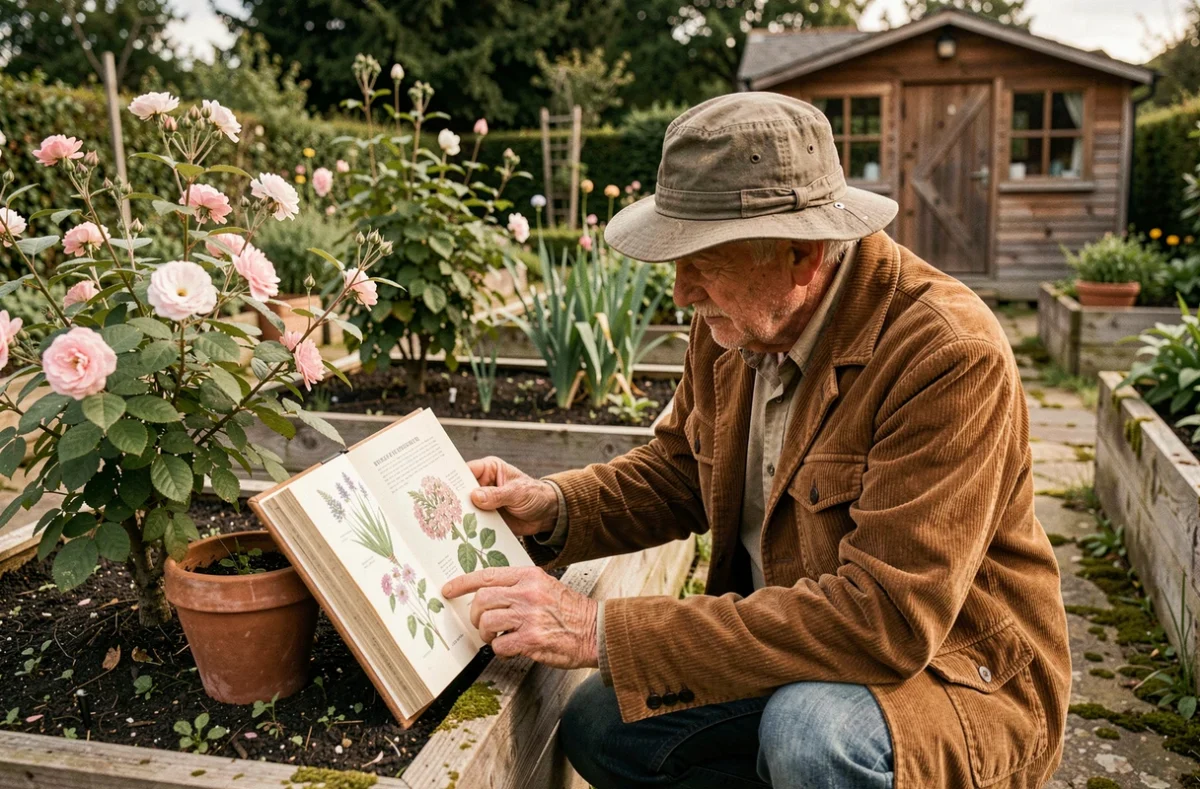
A well-organized sitemap allows for quick identification of the plant families covered, potential gaps, and additional content (seasonal articles, thematic guides). On Une Fleur Un Jardin, navigation by categories facilitates the identification of perennials, annuals, shrubs, and climbers based on the desired use.
The most effective approach is to start from a concrete constraint (dry soil, dense shade, windbreak hedge) rather than flipping through the catalog alphabetically. This filtering by use, when the site offers it, prevents getting lost in dozens of sheets unrelated to one’s project.
The added value of such a catalog lies less in completeness than in the consistency of information from one sheet to another. A uniform sheet format allows for quick comparison of two candidate species for the same location, which scattered searches across multiple sites do not always allow.
Online botanical pages, including those of Une Fleur Un Jardin, provide a solid pre-selection tool for any planting project. They guide the choice, reduce gross errors in soil-plant association, and provide an accessible cultivation basis. The diligent gardener will keep in mind that no sheet replaces direct observation of their terrain, season after season.