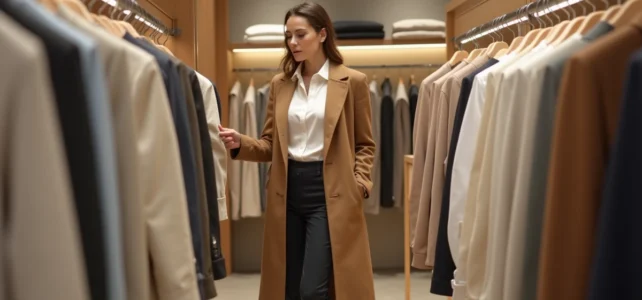
Opening your wardrobe one weekday morning and putting together an outfit in under five minutes, without feeling like you’re wearing the same thing as yesterday: that’s the true test of a functional wardrobe. Everyday fashion isn’t played out on runways; it’s played out in the details we choose to keep or eliminate.
Sports pieces worn off the field: the style shift of 2025-2026
We’re seeing more and more technical zip-up jackets, chunky-soled sneakers, and side-striped pants worn outside of any sports activity. Pinterest notes a significant increase in searches around this sporty style integrated into everyday looks, with a mix of sport, street, and polished touches.
You may also like : Montpellier: a cradle for the arts and creative innovation
What does this look like in the morning in front of the mirror? A well-cut pair of joggers (structured fabric, not shapeless fleece) paired with a short blazer and white sneakers. The formal/casual contrast creates a look that works from the office to the evening restaurant.
The trap is the total sportswear look. Piling on a cap, hoodie, and technical sneakers results in a uniform look, not a stylish one. We target one sports piece per outfit and surround it with more classic clothing. Exploring fashion with 2moiselles Happy Lookeuses allows you to spot these types of combinations that work effortlessly.
Recommended read : Tips for a Perfect Lawn
Capsule wardrobe: building an effective daily wardrobe
The idea of a capsule wardrobe often comes up, but its practical application poses challenges. Most advice stops at “buy less, buy better,” which doesn’t say much about the actual selection of pieces.
Selecting pieces based on their number of combinations
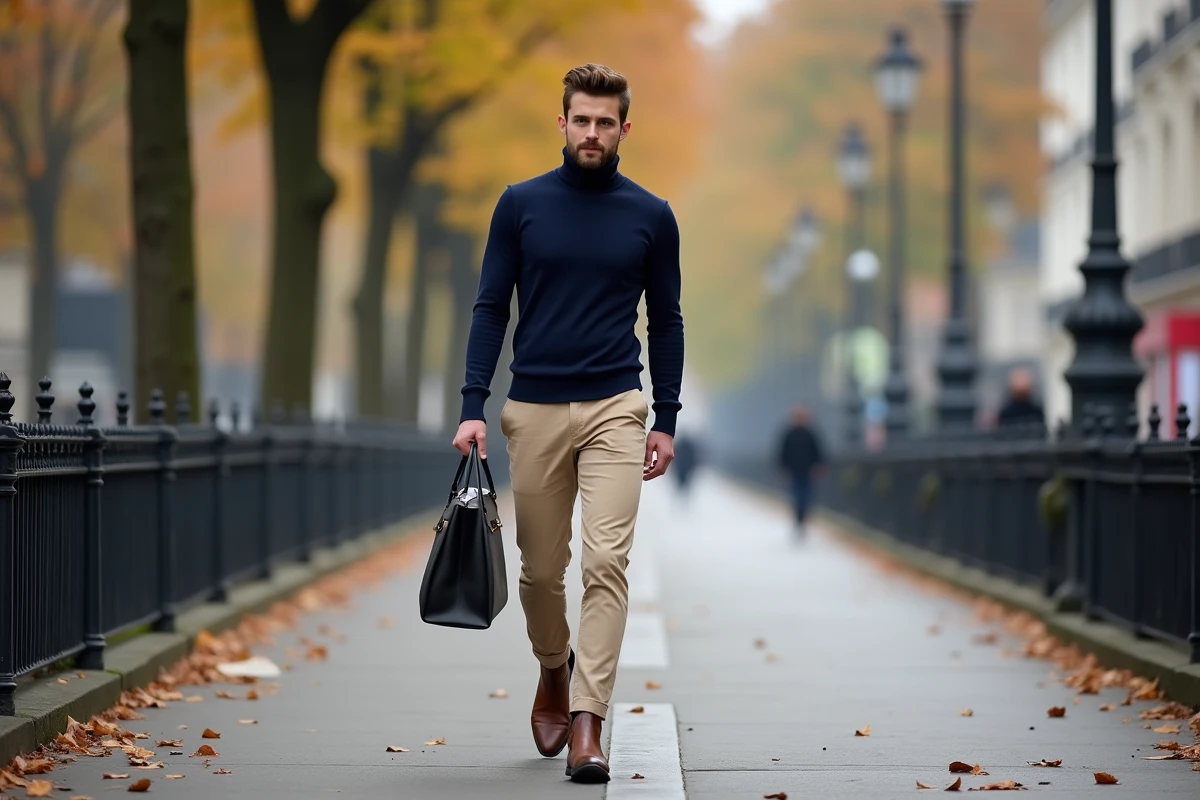
Every garment we keep should be able to be worn with at least three other pieces from the wardrobe. A pair of straight-leg raw jeans, beige pleated trousers, a thick white t-shirt, and a linen shirt already form a base of eight different outfits with a simple layering game.
A piece that only combines with one outfit takes up space more than it serves. Before buying, we mentally visualize three possible combinations with what we already own. If nothing comes to mind, we pass.
Adapting the capsule to your lifestyle
Recent content targeting different age groups emphasizes one point: the capsule should fit the reality of the week, not an aesthetic ideal. Someone alternating between remote work and client visits has different needs than someone in a sedentary job.
Feedback varies on the exact number of pieces needed, but the logic remains the same: cover real situations (work, weekend, occasional evening) with a minimum of versatile clothing.
Monochrome look: the simple technique to appear stylish without thinking
The monochrome look involves assembling several shades of the same color in an outfit. It’s one of the most accessible options for achieving a visually coherent result, even when combining pieces that weren’t purchased together.
Let’s take a concrete example: an off-white t-shirt, sandy beige trousers, and a cream jacket. The three pieces share a range of light warm tones. The ensemble gives an impression of a thoughtfully put-together outfit, while we simply adhered to a rule of chromatic proximity.
- Staying within the same color family (warm tones together or cool tones together) avoids clashing combinations
- Varying textures within the monochrome look (linen, thick cotton, knit) prevents a “uniform” effect and adds depth to the outfit
- Adding an accessory in a slightly darker or brighter tone than the rest creates a focal point without breaking the harmony
Everyday fashion accessories: investing in three pieces that change everything
Multiplying trendy clothes each season eventually saturates the wardrobe. The opposite approach works better: keeping a sober base and rotating a few strong accessories.
Three accessories are enough to transform a basic outfit into a constructed look:
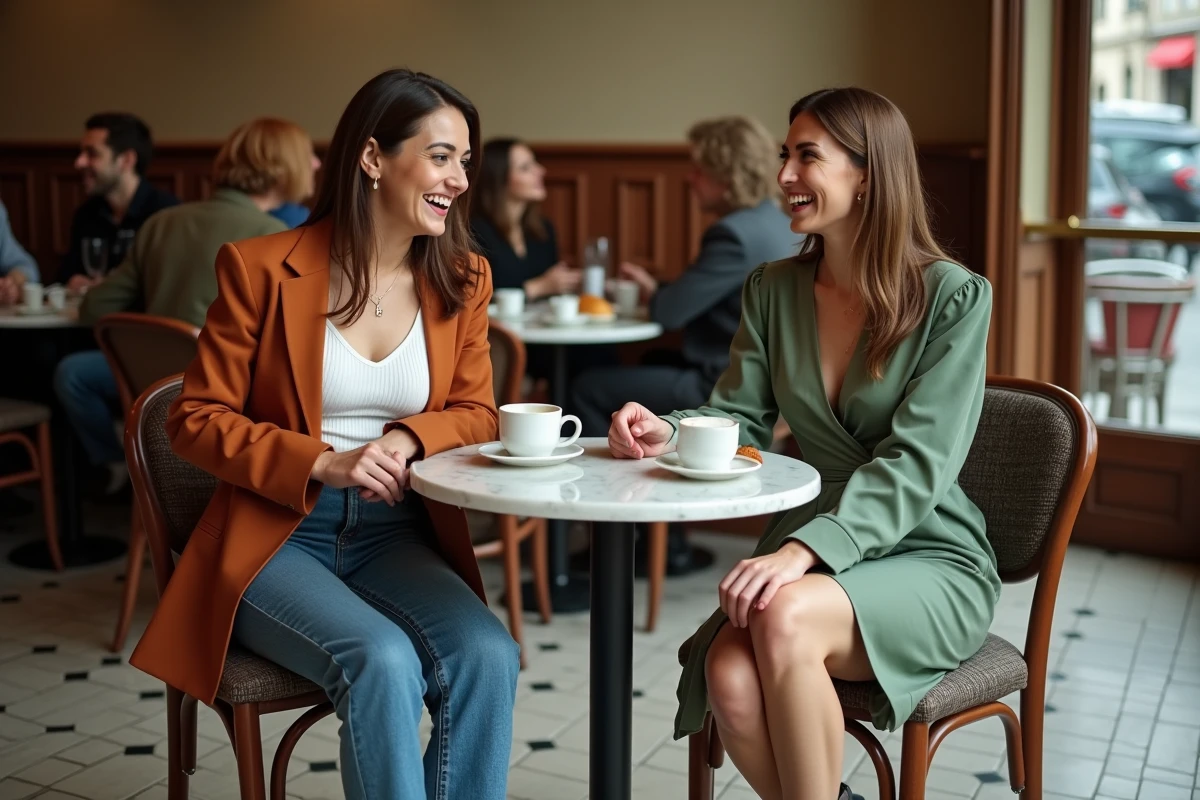
- A pair of visible earrings (wide hoops, geometric pendants) that frame the face and draw attention to the upper part of the silhouette
- A structured bag in a color not found in the outfit, to create a deliberate contrast
- A belt worn over a loose garment (flowy dress, oversized blazer) that reshapes the waist and gives a sharp proportion
This logic of accessories as a style pivot is more cost-effective than textile renewal. A well-chosen watch or a chunky necklace worn every day becomes a personal signature, not just another seasonal purchase.
The common mistake with accessory colors
Matching the color of the bag to that of the shoes produced a very coded result a few years ago. Today, mastered mismatching works better: a tawny bag with white sneakers, golden earrings with an outfit in cool grays. The contrast is more modern than strict coordination.
A daily wardrobe that works relies on few rules, but rules applied consistently. Neutral base, a well-placed sportswear piece, monochrome when in doubt about colors, and three accessories you know by heart. The rest is just noise.