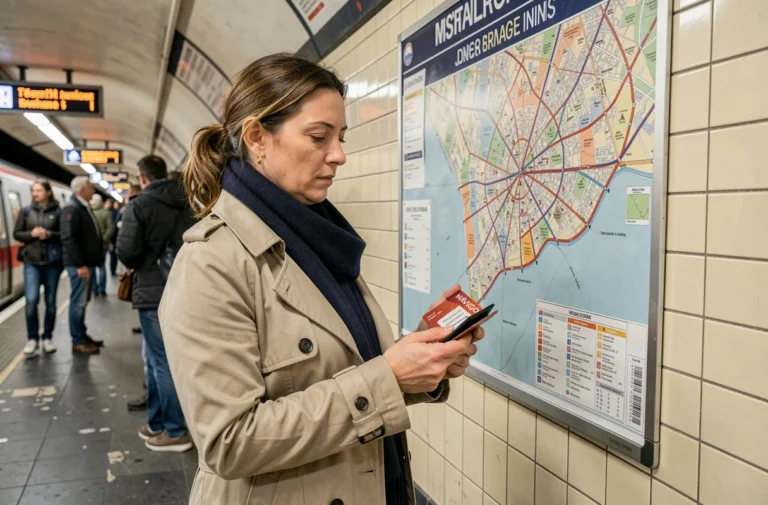
The Gard Cévennes are about more than the panoramas of the limestone plateaus or the Tarn Gorges. On the Gard side, the mountain range is shaped by ridges and narrow valleys, with limited road access—a factor that radically changes how you plan a stay. Two railway lines cross the area, but they serve different purposes, and confusing them can lead to an unrealistic itinerary.
Getting to the Gard Cévennes without a car: trains, local routes and realistic itineraries
Most guides mention the train as a way to get there, without clarifying that the two “Cévennes trains” are separate services. The Cévenol is a regional TER train linking Clermont-Ferrand and Nîmes, with stops in Alès and Génolhac. The steam train, meanwhile, runs between Saint-Jean-du-Gard and Anduze on a tourist railway, with a possible stop at the Bambouseraie. Their timetables and operating conditions have nothing in common.
Alès is the most reliable rail gateway to the Gard side of the range. From there, a few departmental bus routes head towards Saint-Jean-du-Gard or Le Vigan, but services are infrequent outside the summer season.
Planning an itinerary without a car means accepting short stages and allowing for overnight stops along the way. A realistic three-day loop could take you from Alès to Saint-Jean-du-Gard by bus, continue on the steam train to Anduze, then return to Alès by bus or TER. Check every connection directly with the operators, as timetables vary by season.
For planning stops in the Cèze Valley, which remains poorly served by public transport, local resources bring together accommodation and points of interest: https://ceze.fr/ helps you find accessible villages and places to stay along the river.
Bivouacking and regulations in the Cévennes National Park: rules vary by area
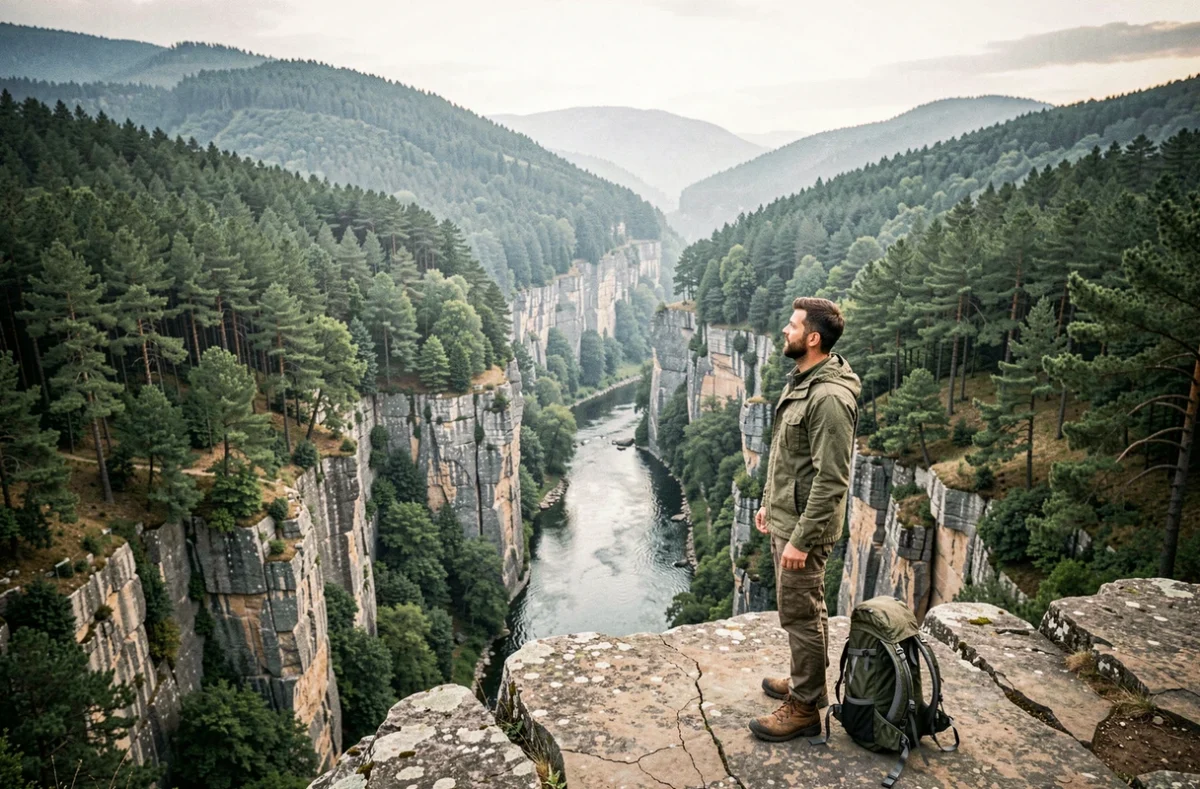
The Cévennes National Park spans three departments (Lozère, Gard and Ardèche) and has received two UNESCO distinctions: Biosphere Reserve and World Heritage Site status for the agro-pastoral landscapes of the Causses and Cévennes. This recognition comes with a precise regulatory framework, but the rules vary by zone.
In the park’s core zone, bivouacking is permitted from 7 p.m. to 9 a.m., close to marked GR and GRP trails, with no motor vehicles. Wild camping, however, remains prohibited. This distinction, set out in the decree of 20 January 2014, is often overlooked by hikers who assume the two activities are the same.
The surrounding membership area is subject to a separate framework. Local rules may also apply, and the core zone’s regulations do not automatically extend to it. Before pitching a tent, identify your exact location on the park map rather than relying on a general rule for “the Cévennes.”
Hiking with a dog in the park’s core zone
Dogs are allowed in the park’s core zone as long as they remain on a leash. This allowance sets the Cévennes apart from several other French national parks, where dogs are strictly prohibited. It does not exempt visitors from following guidance around livestock, which are common on drove roads and limestone plateaus, or from observing temporary local restrictions during lambing and calving season.
Cévennes heritage in the Gard: trails, terraces and schist architecture
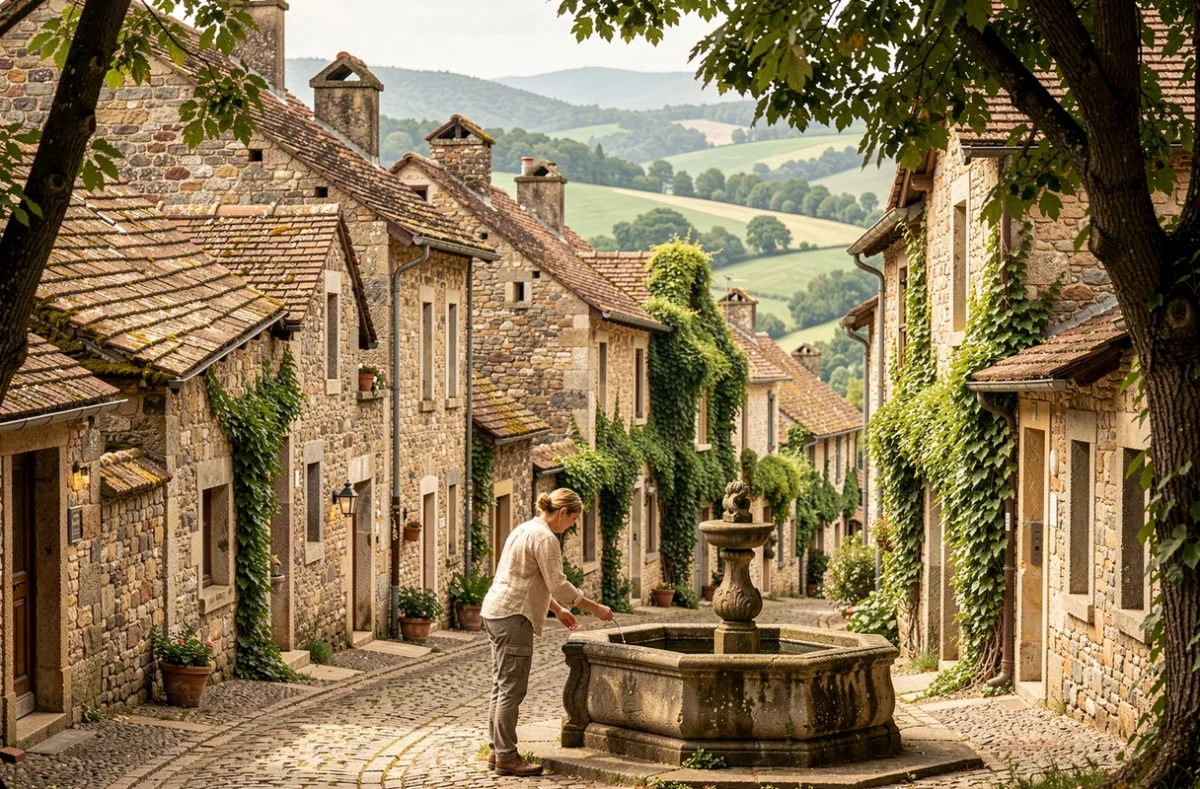
The heritage of the Gard Cévennes is not limited to listed villages. It can be read in the landscape itself. Bancels—agricultural terraces supported by dry-stone walls—have shaped the slopes for centuries. Maintaining them helps stabilise the soil and manage water on steep hillsides.
We recommend seeing these structures in person rather than in photos: between Saint-Jean-du-Gard and the Col de l’Asclier, several short hiking trails cross areas where farmers still maintain the bancels. The contrast with abandoned terraces overgrown with vegetation is striking.
- Cévenol schist farmhouses, often facing due south and topped with stone-slab roofs, reflect a bioclimatic design suited to the foothills’ harsh winters and dry summers.
- Clèdes, small buildings used to dry chestnuts, bear witness to a subsistence economy in which the chestnut tree was literally the Cévennes’ bread tree.
- Humpback bridges, such as those found over the Cèze and Gardon rivers, date back in some cases to the Middle Ages and are still passable on foot.
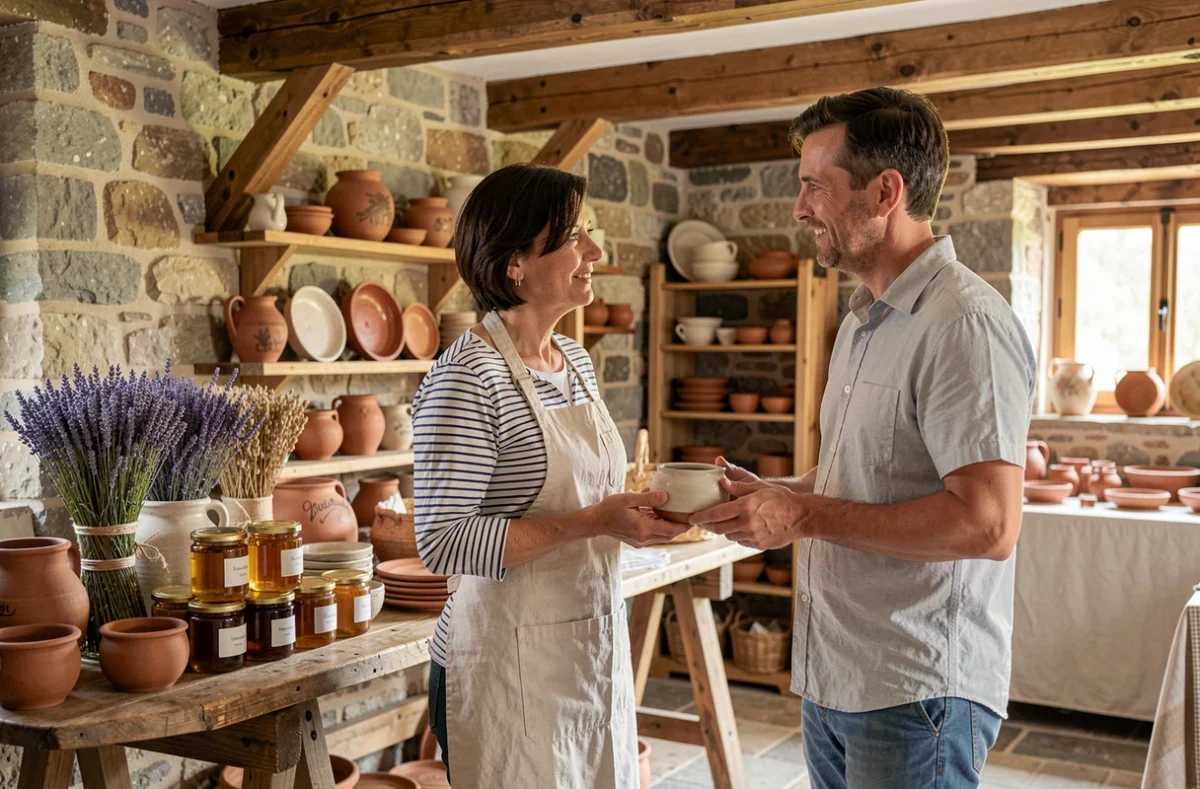
This built heritage is fragile. The Esprit Parc national label highlights products and services that meet the area’s environmental commitments. By choosing certified accommodation or producers, visitors directly support the upkeep of these cultural landscapes.
Hiking in the Gard Cévennes: choosing trails by terrain and season
The Gard side of the range alternates between steep-sided valleys and windswept ridges. The summit of Mont Aigoual marks the watershed between the Atlantic and Mediterranean basins, and weather conditions can change abruptly there. A hiker setting out from Anduze in 25°C weather may face fog and wind at the summit on the same day.
Shorter PR trails make it easy to plan day loops around villages such as Mialet, Lasalle and Valleraugue. In summer, the Gardon Gorges and Cèze Valley offer routes where you can break up your walk with a swim.
- Spring: ideal for ridges and limestone plateaus, before the summer heat sets in. Flowering broom turns the ridges into ribbons of yellow.
- Summer: stick to valley floors and waterways. Early starts are essential above 800 m in elevation.
- Autumn: chestnut season coincides with the most vivid colours on the schist slopes. Trails are quieter.
The Cévennes’ rugged terrain rewards those willing to work around its constraints. The lack of major roads, limited public transport and steep landscape naturally keep visitor numbers in check. That is precisely what preserves the authenticity of these World Heritage landscapes.