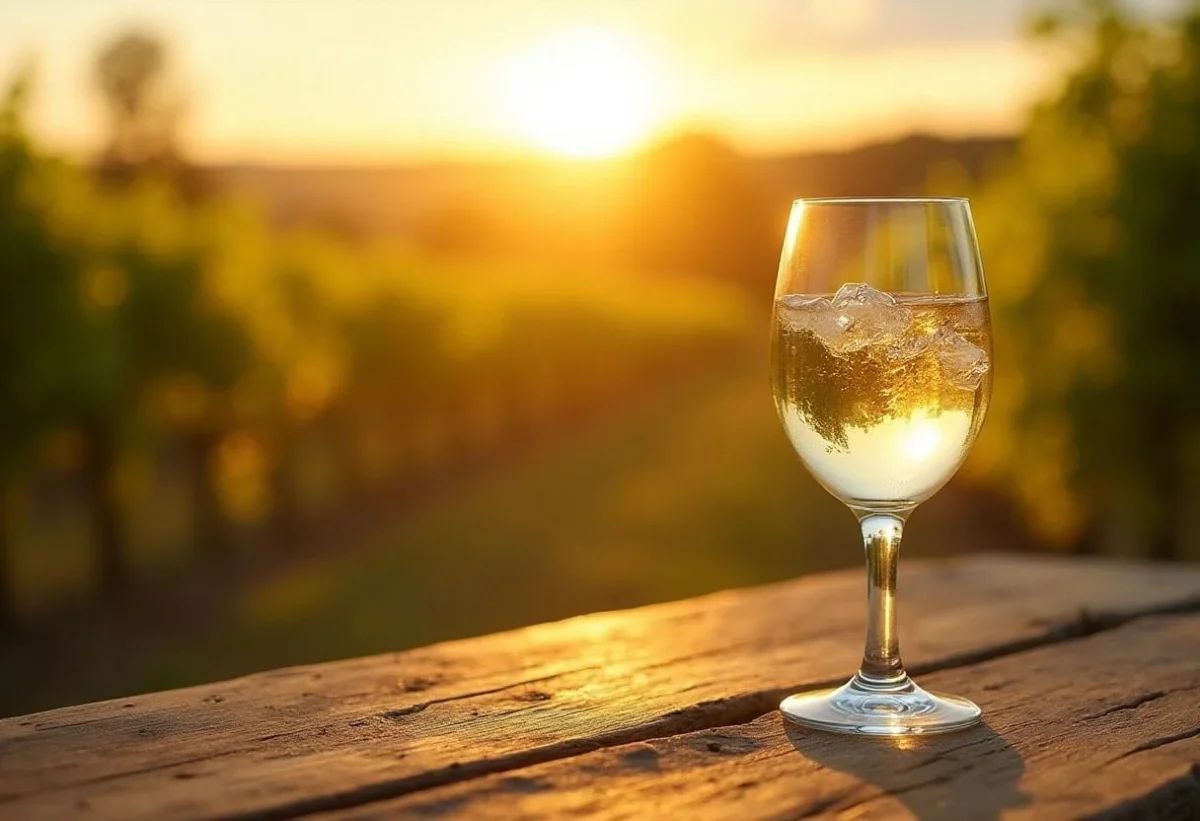
Chablis, often celebrated as one of the greatest white wines of France, evokes an unmatched finesse and purity. Nestled in the north of Burgundy, this wine, exclusively made from the Chardonnay grape, is distinguished by its crystalline freshness and mineral character. These vibrant and taut notes tell a story of unique terroir, forged by centuries of winemaking tradition. Offering a glimpse of the harmony between man and nature, Chablis invites us on a sensory journey, a tribute to the land and time.
Origins and Terroir of Chablis
Discovering the history of Chablis wine immerses you in a region rich in traditions and authenticity. The Chablis terroir, with its gentle hills and limestone soils, is one of the most distinctive in France.
- Kimmeridgian Terroir: this soil, from the Jurassic era, is known for its clay-limestone marls and oyster fossils, contributing to the wine’s mineral complexity.
- Continental Climate: located in a northern continental climate zone, Chablis benefits from harsh winters and mild summers, perfect for the slow maturation of Chardonnay.
- Winemaking Traditions: the viticulture methods, passed down from generation to generation, respect the ecosystem and encourage biodiversity.
The Different Appellations of Chablis
The classification of Chablis reveals the richness and diversity of the region’s terroirs. Each appellation offers a unique expression of this great wine.
The Petit Chablis category offers a light and floral introduction, often appreciated for its immediate freshness. Progressing further, the traditional Chablis unveils citrus and acacia notes, finishing with stony nuances. For those seeking a more complex experience, the Chablis Premier Cru presents increased intensity and depth, with aromas of ripe fruits mingled with mineral touches. Finally, the Chablis Grand Cru, located on the right bank of the Serein, represents the pinnacle of the region with remarkable aromatic richness and longevity.
Food Pairings with Chablis
Thanks to its elegance and structure, Chablis pairs wonderfully with a wide range of dishes. Its characteristics make it an ideal partner for seafood and refined dishes.
- Oysters and Seafood: the iodized notes of Chablis perfectly complement the salinity of seafood, offering a harmonious tasting experience.
- Poultry and White Meat: its delicacy subtly accompanies poultry-based dishes, enhancing flavors without overpowering them.
- Goat Cheese: with Chablis, goat cheese transforms into a divine pairing where the wine’s acidity balances the creamy texture of the cheese.
- Asian Dishes: the floral aromas and minerality of Chablis align with Asian dishes, adding an extra dimension to spices and herbs.
The Vinification and Aging of Chablis
Understanding the vinification process of Chablis is to appreciate the art and science behind each bottle. The winemakers of the region take pride in respecting traditional techniques while incorporating environmentally friendly innovations.
The fermentation is generally carried out in stainless steel tanks to preserve freshness and aromatic purity. Some producers choose to age their wine in oak barrels, adding further complexity without masking the intrinsic minerality. The aging of Chablis is also crucial; although it is often enjoyed young for its liveliness, a quality Chablis wine can age gracefully, developing rounder and more intense notes over time.
Chablis remains a pillar of French viticulture, offering a symphony of flavors and aromas that captivate the senses. Whether one is a novice or a connoisseur, each tasting promises a rediscovery of this exceptional terroir. The historical and cultural richness of Chablis, combined with its legendary finesse, makes it an essential wine for any lover of fine wines.