
The profession of locksmith attracts many young people. Being a craft trade, it is, like many others, a particularly regulated job in France. Is it possible to become a locksmith with a diploma and certification? This is the topic we are addressing today. As a self-employed entrepreneur, there are different ways to practice without qualifications, but is that really the case? Details on what is truly possible without a diploma.
Content
- Locksmithing: an attractive market
- Becoming a locksmith without a diploma:
- what you can do as a locksmith without a diploma
- Training to become a certified locksmith
- Starting a locksmith business
- The profession of
- The qualities of a locksmith’s salary
Locksmith: an attractive market
The locksmith market is constantly changing. Indeed, emergency repairs, replacing an old lock… even construction sites must call on a locksmith at some point. The profession encompasses a wide range of interventions that could not all be mentioned. This is why the sector is growing year after year. Furthermore, in France, there are no major national or international chains that could take on a large part of the market. This offers more opportunities for freelancers and is what makes this job attractive as the sector is very open to small entrepreneurs.
Becoming a locksmith without a diploma: the training to follow
After that, it is necessary to address the main subject of this article. Becoming a locksmith without a diploma: possible or not? The answer is yes and no. Indeed, the profession is regulated and it will be impossible to work as a locksmith without a diploma or training that allows it. You will also not be able to set up a locksmith business. However, it is worth noting that some options are still available for those who do not have the necessary qualifications.
What is possible to do as a locksmith without a diploma
The most common practice is to set up as a handyman. This is possible for anyone of legal age and does not require a diploma. It will then involve establishing a multi-service activity that will allow you to perform small DIY interventions that do not require any specific skills. You will be completely prohibited from carrying out any intervention concerning construction. Therefore, we are in an activity far from a real locksmith that will still allow you to earn a living.
Training to become a licensed locksmith
A professional has at least 3 years of experience and/or a qualified locksmith diploma CAP or a Professional Studies Certificate in the realization of metalwork. Again, this is the minimum required. If you do not have it and do not want to follow the necessary studies (which are at least 2 years), there is a fairly simple solution and you will need to refer to a locksmith training. The best is probably to train as a locksmith and installer of a locksmith FMSD. It lasts only 15 intensive hours and you will come out with a diploma recognized by the RNCP (National Directory of Professional Certifications) and an education level equivalent to the Baccalauréat. You will learn everything you need to know about locksmith troubleshooting, roller shutters, and blinds.
Starting a locksmith business
Once you have completed the necessary training, you will need to choose a status to conduct business on your own account. Self-employed, company or enterprise, there is a wide range of possibilities that opens up to you. The status of self-employed has the great advantage of being the most flexible. In return, you will not be able to exceed a certain revenue threshold or you will have to change your status. The micro-entrepreneur also benefits from a better tax regime. It is also well known that this is conducive to people who want to start any activity. The company is also one of the options you can choose. Sole proprietorship, limited liability sole proprietorship… it is important to know the differences between each of them and to choose the one that will best suit your business. Finally, you can opt for SASU to benefit from advantages such as employee protection. In short, to start your business, you will first need to have a diploma or certified training, then choose a status. This will allow you to register with the Chamber of Trades and Crafts, which is mandatory. Finally, the last step will be to take out a ten-year insurance policy, which is also mandatory and used to cover construction professionals, including locksmiths. And if you want to gain visibility on the web, creating a locksmith website will be necessary to attract your first clients.
The profession of locksmith
As a professional, you will be called to intervene for multiple operations. It is not just about replacing old locks or locks that have been damaged as a result of a break-in. The profession has developed to the point that it has become essential in the construction industry. This is how the locksmith also participates in architectural projects to map out what is made of metal or iron on stair railings, shutters, or even doors. This is particularly the case for wrought iron specialists.
The qualities of a locksmith
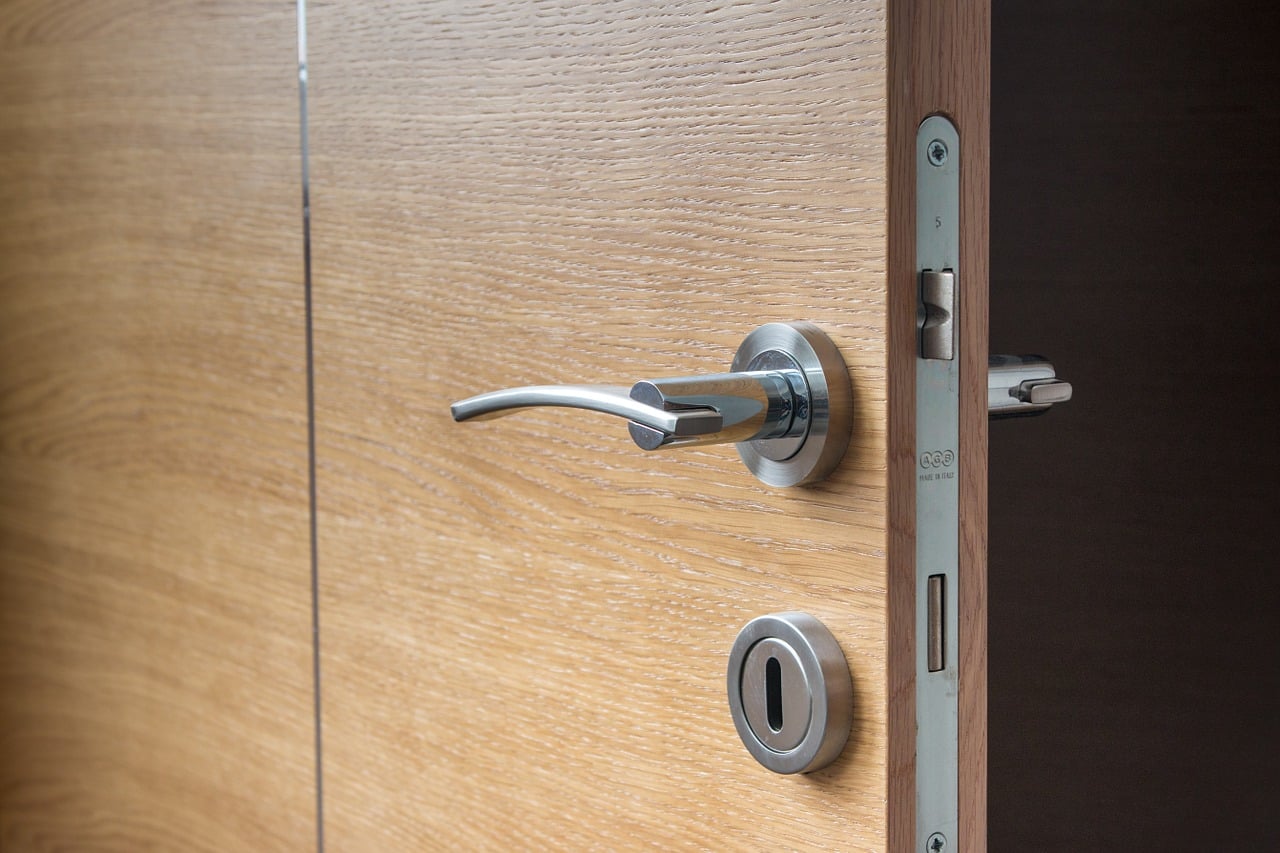
Although anyone with the necessary motivation can claim to become a locksmith, it is important to keep in mind that it is a rather demanding profession. To begin with, it is necessary to highlight the working hours that may not be regular and the possibility of intervening at night. Being available at all times is the first quality of a locksmith and it can be exhausting. A good professional does not work hard; showing meticulousness, thoughtfulness, and rigor is paramount. The relationship is also something you will need to work on because you will be constantly in contact with your clients.
The salary
If you work as a locksmith without a handyman diploma, you will earn about 2000 euros gross per month. This is also roughly the salary of a licensed locksmith as an employee. A self-employed person earns an average of 2800 euros gross per month.
Tag: being a locksmith without a diploma