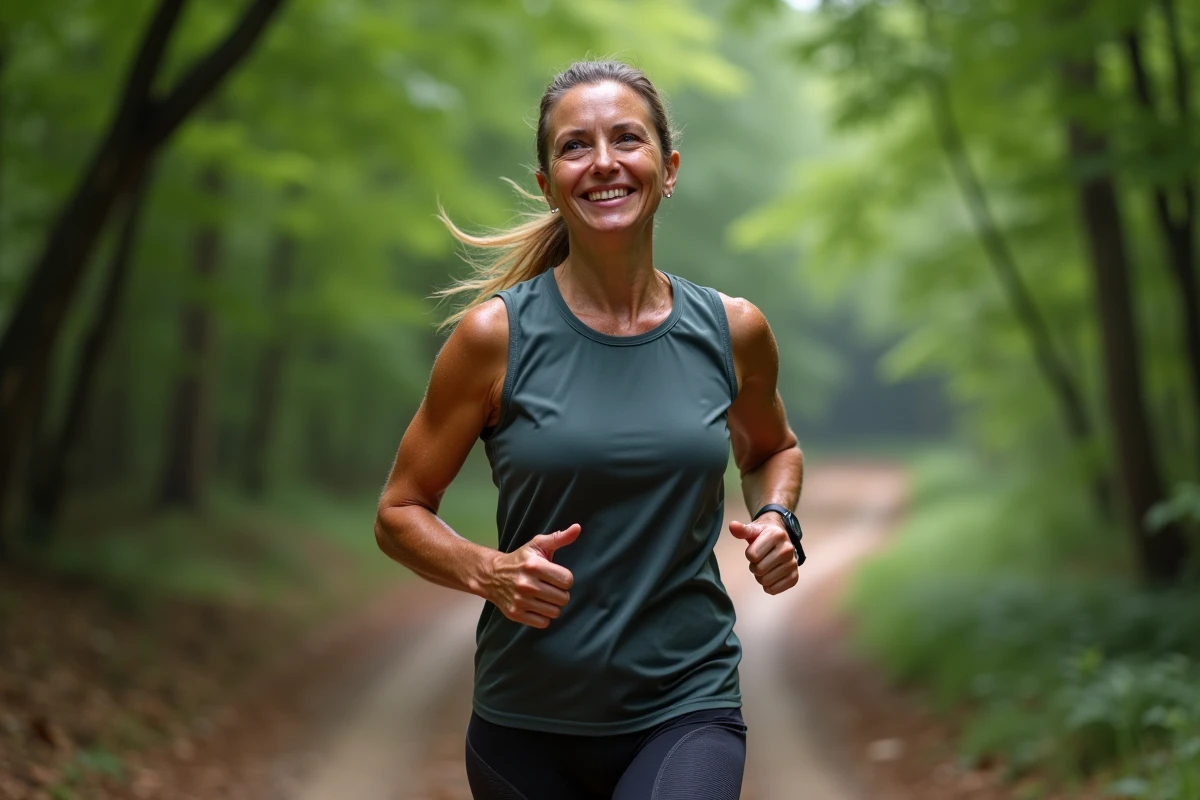
The plasticity of the brain is not just a laboratory affair or a genius reserved for prodigies: it activates, quite simply, at the rhythm of a morning jog or an impromptu match. We now know that regular physical activity transforms the very structure of the brain, altering memory, decision-making, and the ability to withstand tough blows. Research confirms this: sports shape our relationship with stress, failure, and success, with nuances depending on age, social background, or gender. Public policies have taken this into account, integrating these data into the fight against diseases and the construction of a stronger social fabric. Nevertheless, access to sports remains unequal, and some groups remain excluded from the widely documented benefits.
Sports, a reflection and engine of social dynamics
In France, sports are not just a pastime or a simple outlet. It has established itself as a revealer of our ways of living together, a marker of our social evolutions. More than 8,000 sports associations energize the Centre-Val de Loire region, where a million people lace up their sneakers every week, across all generations. This flourishing is far from trivial: it shapes our relationship with the body, with success, and brings values like solidarity and commitment to the forefront. Clubs, schools, and neighborhoods live to the rhythm of training sessions and competitions. Sports unite, break isolation, and allow everyone to find their place, a balance, or a challenge to tackle.
However, the reality is more nuanced than it seems. Young French people are, according to international rankings, among the least active in the world: 119th out of 146 countries. Screens are gaining ground, motivation is dwindling, and the gap between those who practice and others is widening. To address this challenge, initiatives like YEP’S or Pass’Sport are multiplying support and incentives. The Olympic and Paralympic Week sets the tone: reconnecting young people to movement, reminding them that physical activity is not only about shaping bodies but also about building stronger minds and healthier relationships.
Resources like lespritdusport.fr invite us to go beyond the view of sports as mere competition. Whether we talk about yoga, dance, long-distance running, or handball, each discipline questions our collective choices and what we expect from our society. Sports are not an aside: they structure our days, connect individuals, and give meaning to the collective.
What psychological mechanisms does sports activate in individuals?
When discussing sports, it is impossible to overlook its profound effects on the mind. With each session, the brain releases a cocktail of neurotransmitters: endorphins, dopamine, serotonin. These substances boost mood, calm anxiety, and lower stress levels by reducing cortisol. Over the weeks, this regularity sharpens emotional management, improves sleep quality, and enhances concentration.
There is a key point: progress, even minimal, fuels motivation. Achieving a new record, tirelessly repeating a gesture, pushing a threshold: these experiences strengthen self-confidence and self-esteem. For younger individuals, sports become a learning ground for perseverance, discipline, and frustration management. Here’s what different practices bring:
- Team sports cultivate mutual aid and a sense of belonging to a group.
- Endurance sports develop resilience in the face of effort and failure.
- Gentle or artistic practices encourage self-listening and body mastery.
Gradually, regular physical activity integrates into a true philosophy of life, where discipline and pleasure go hand in hand. Nelson Mandela said that exercise is the secret to a healthy body and a peaceful mind. Sports, far from being a trivial habit, emerge as a powerful engine of psychological transformation and personal development.
When sports practice transforms our relationships and daily lives
Sports are not experienced in solitude: they permeate collective life, infiltrate routine, and redefine bonds. Within a club or association, encounters happen at every training session. Nearly a million practitioners each week, just in Centre-Val de Loire: this figure speaks volumes about the gathering power of sports. These places become spaces where solidarity is expressed, where mutual aid is built, where more than techniques are transmitted: values, energy, a sense of belonging.
The example of the 0 to 100 project perfectly illustrates this phenomenon. Forty people, supported for eighteen months, prepare for a 100-kilometer ultra-trail. More than performance, it is the collective dynamic that leaves a mark: shared effort, moments of doubt, progress hand in hand forge a close-knit community, where everyone finds their place, regardless of their starting abilities.
The regularity of practice, from childhood to adulthood, is inscribed in the long term. It structures days, promotes health prevention, and fosters team spirit. The World Health Organization recommends 30 minutes of daily physical activity for adults and 60 for children. Yet, France lags behind: 119th place for youth sports participation. In light of this observation, the mobilization of the associative fabric, combined with initiatives like Pass’Sport or YEP’S, emerges as a lever to change mindsets.
Here’s what regular physical activity allows us to anchor in collective life:
- Strengthen social ties, beyond age or background differences
- Develop solidarity and mutual aid over time
- Extend healthy life expectancy by focusing on prevention rather than repair
Ultimately, sports are never trivial. They shape minds, nourish our relationships, and leave their mark even in the details of daily life. Movement is society reinventing itself, every day, on the field.